

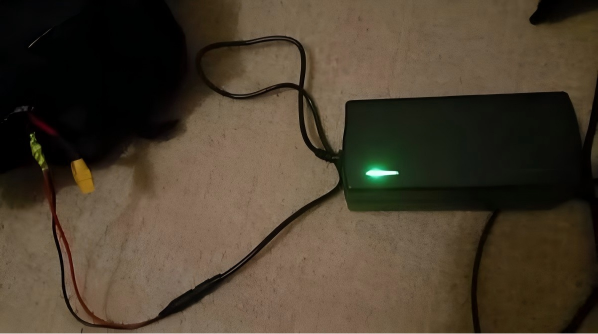
Ebike Battery Not Charging? Here's How to Diagnose the Problem
One of the most frustrating problems for any electric bike rider is pressing the power button and discovering that the battery is not charging.
You plug in the charger, wait for hours, and nothing happens. Maybe the charger light stays green, the battery indicator does not increase, or the bike suddenly loses range.
Before assuming your battery is damaged, there are several things you can check first.
In many cases, the problem comes from:
- A faulty charger
- A loose charging connection
- A damaged charging port
- Battery protection mode
- Improper storage or charging habits
This guide will walk you through the most common causes and help you identify the problem step by step.
Common Signs Your Ebike Battery Is Not Charging
Your battery may have a charging problem if you notice:
Charger light stays green when connected
Charger light turns red briefly and then green again
Battery percentage does not increase
Battery indicator drops quickly after charging
Bike turns off even though the battery appears charged
Battery cannot be charged after long storage
If you experience these symptoms, start with the easiest checks first.
Step 1: Check the Charger First
Before replacing your battery, always inspect the charger.
A faulty charger can look like a battery problem.
Check the Charger Indicator Light
Most ebike chargers have:
- Green light: Standby or fully charged
- Red light: Charging
Try this:
- Plug the charger into the wall outlet.
- Check the charger light.
- Connect the charger to the battery.
- Observe whether the light changes.
Possible Results:
Green → Red
The charger is likely working correctly.
Green stays Green
Possible causes:
- Battery is not accepting charge
- Charging port issue
- Battery protection mode
No light
Possible causes:
- Faulty charger
- Damaged power cable
- Outlet problem
Step 2: Check the Charging Connection
A loose connection is one of the most common reasons an ebike battery will not charge.
Inspect:
- Charger plug
- Battery charging port
- Connector pins
Look for:
- Dirt
- Corrosion
- Bent pins
- Loose connections
Make sure the charger is fully inserted.
A partially connected plug may prevent charging even if everything looks normal.
Image Suggestion:
Close-up comparison of a clean charging port vs. damaged charging port.
Step 3: Make Sure the Battery Is Properly Installed
Many modern ebikes use removable batteries.
A battery may appear installed but still not make full contact.
Check:
- Remove the battery.
- Inspect the battery contacts.
- Reinstall the battery firmly.
- Lock it into position.
- Try charging again.
A poor connection between the battery and bike can cause:
- Charging issues
- Sudden power loss
- Display problems
Step 4: Check If the Battery Entered Protection Mode
Lithium-ion batteries include a Battery Management System (BMS).
The BMS protects the battery from:
- Overcharging
- Over-discharging
- Excessive current
- Extreme temperatures
Sometimes the battery may temporarily stop charging.
This can happen after:
- The battery reaches very low voltage
- Long-term storage
- Riding in extreme temperatures
- Electrical overload
Try This:
- Disconnect the charger.
- Remove the battery from the bike.
- Wait 10–15 minutes.
- Reconnect the charger.
- Try charging again.
Step 5: Check the Battery Temperature
Lithium batteries do not charge properly in extreme temperatures.
Avoid charging when the battery is:
Extremely cold
Very hot after riding
Recommended:
- Let the battery return to room temperature.
- Charge indoors whenever possible.
- Avoid direct sunlight while charging.
Step 6: Test Battery Voltage (Advanced)
If you have a multimeter, you can check whether the battery voltage is within the normal range.
The voltage depends on your battery system:
- 36V battery
- 48V battery
- 52V battery
A significantly low voltage reading may indicate:
- Deep discharge
- BMS protection
- Battery failure
If you are not familiar with electrical testing, contact professional support before opening the battery.
Step 7: Check If the Charger or Battery Is the Problem
A simple way to identify the problem:
Charger Problem Signs
- Charger light does not turn on
- Charger becomes unusually hot
- Charger never changes from standby
- No output voltage
Battery Problem Signs
- Charger works normally with another battery
- Battery does not accept charge
- Battery voltage is abnormal
- Battery shuts off quickly after charging
Common Reasons Ebike Batteries Stop Charging
1. Battery Was Stored Empty for Too Long
Lithium batteries should not be stored completely empty.
Long-term storage at very low voltage can damage battery cells.
2. Charging Port Damage
The charging port can become damaged from:
- Frequent plugging and unplugging
- Impact
- Water exposure
3. Using the Wrong Charger
Always use the charger designed for your specific battery.
Using an incorrect charger may cause:
- Charging failure
- Battery damage
- Safety risks
4. Battery Aging
Lithium-ion batteries naturally lose capacity over time.
Signs of battery aging:
- Reduced range
- Faster battery drain
- Difficulty charging
- Unexpected shutdowns
How to Prevent Ebike Charging Problems
Charge Regularly
Avoid leaving your battery completely empty for long periods.
Store Your Battery Properly
For long-term storage:
- Keep the battery partially charged.
- Store in a dry place.
- Avoid extreme temperatures.
Keep Charging Ports Clean
Regularly inspect:
- Charging port
- Charger connector
- Battery contacts
Use the Original Charger
The correct charger ensures:
- Proper voltage
- Correct charging speed
- Better battery lifespan
Frequently Asked Questions
Why is my ebike charger light green but the battery is not charging?
A green charger light usually means the charger is not detecting a charging load. Possible causes include a connection problem, charging port issue, or battery protection mode.
How long does an ebike battery take to charge?
Most ebike batteries require approximately 4–8 hours depending on battery capacity and charger output.
Can a completely dead ebike battery be recovered?
Sometimes a battery can recover from protection mode, but a battery that has been deeply discharged for a long time may require replacement.
Should I leave my ebike battery charging overnight?
It is recommended to follow the manufacturer's charging instructions and avoid unnecessary long charging periods after the battery is fully charged.
Final Thoughts
When your ebike battery is not charging, the battery itself is not always the problem.
Start with simple checks:
- Inspect the charger
- Check the charging connection
- Reinstall the battery
- Reset possible protection mode
- Test voltage if needed
Many charging issues can be identified and solved without replacing expensive components.
Regular maintenance and proper charging habits will help extend your ebike battery life and keep your bike performing reliably.
共有:
How to Diagnose a Burnt Motor Connector on an Ebike
Why Is My eBike Turning On But Not Moving? Common Causes & Fixes