

Few things are more frustrating than turning on your eBike, seeing the display light up normally… and then nothing happens when you try to ride.
No motor response.
No acceleration.
No assist.
At first, it feels serious—but in many cases, the problem is actually caused by a small safety trigger or connection issue.
In this guide, we’ll break down the most common reasons why an eBike turns on but won’t move, and how you can fix it step by step.
Why Your Ebike Powers On But Won’t Move
Modern eBikes are designed with multiple protection systems.
That means your display can still power on even if another component is preventing the motor from engaging.
The issue is often related to:
- Brake safety sensors
- Loose motor or battery connections
- Pedal assist sensor problems
- Controller protection mode
- Battery voltage issues
The good news?
Most of these problems can be checked at home in just a few minutes.
Common Signs of This Problem
Riders usually report symptoms like:
- Display turns on normally
- Throttle does not respond
- Pedal assist stops working
- Motor makes no sound
- Bike suddenly stopped during a ride
- Error code appears after startup
Understanding these symptoms helps narrow down the cause faster.
The Most Common Causes (And How to Fix Them)
1. Brake Sensor Is Preventing Motor Power
This is one of the most common causes.
Most eBikes include brake cut-off sensors that immediately disable the motor when braking is detected.
Sometimes:
- A brake lever gets stuck slightly
- The sensor becomes misaligned
- The system falsely detects braking
How to Fix It
- Release both brake levers completely
- Check if one lever feels tight or stuck
- Restart the bike
If the motor works afterward, the issue was likely the brake sensor.
2. Loose Battery Connection
Your display may still turn on even if the battery connection is unstable.
This often happens after:
- Removing the battery for charging
- Riding on rough terrain
- Transporting the bike
How to Fix It
- Turn the bike off
- Remove the battery
- Reinstall it firmly until fully locked
- Check for dirt or debris on battery contacts
A loose battery can interrupt power delivery to the controller and motor.
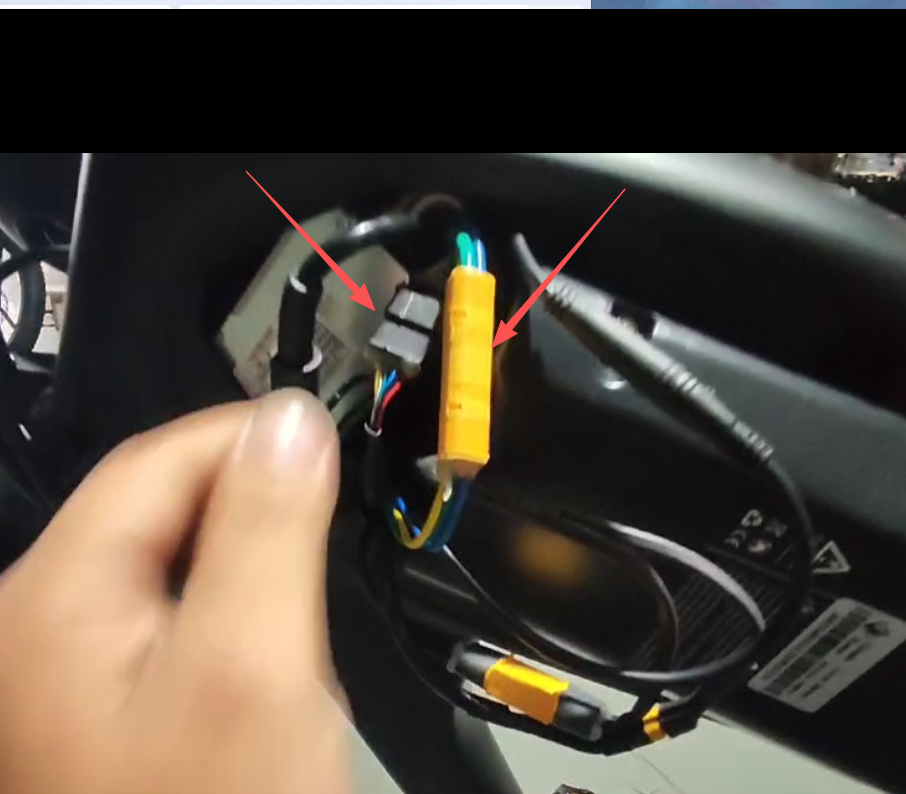
3. Motor Cable Became Loose
The motor cable is usually located near the rear wheel or bottom bracket area.
Vibration or accidental pulling can partially disconnect it.
Signs
- Bike powers on normally
- No motor response at all
- Sometimes an error code appears
How to Fix It
- Locate the motor connector
- Inspect for loose alignment
- Disconnect and reconnect carefully
- Ensure arrows or markings line up correctly
4. Pedal Assist Sensor (PAS) Issue
If your throttle works but pedal assist does not, the PAS sensor may be the issue.
The sensor detects crank movement and tells the motor when to activate.
Common Causes
- Dirt buildup
- Sensor misalignment
- Magnet ring shifted position
How to Fix It
- Clean the sensor area
- Check if the magnet ring moved
- Restart the system
5. Controller Entered Protection Mode
Controllers protect the bike from overheating, overload, or voltage spikes.
This can happen after:
- Climbing steep hills
- Riding aggressively
- Deep sand or heavy cargo riding
What Happens
The display stays on, but the motor temporarily shuts off.
How to Fix It
- Turn the bike off completely
- Let it cool for 10–20 minutes
- Restart the system
In many cases, normal operation returns automatically.
6. Low Battery Voltage
Sometimes the battery has enough power for the display—but not enough for the motor.
This is more common:
- In cold weather
- With aging batteries
- Under heavy load
How to Fix It
- Fully recharge the battery
- Test the bike again
- Avoid storing battery fully drained
What If the Throttle Works But Pedal Assist Doesn’t?
This usually points to:
- PAS sensor issue
- Crank sensor alignment problem
- Sensor cable connection issue
The motor itself is likely still functioning normally.
What If Pedal Assist Works But Throttle Doesn’t?
Possible causes include:
- Throttle connector loose
- Throttle damage
- System settings disabling throttle
Check all throttle-related wiring first before assuming component failure.
When You Should Seek Professional Repair
Contact support or a repair technician if:
- Motor still won’t engage after all checks
- Burning smell or overheating occurs
- Wiring appears damaged
- Error codes persist repeatedly
- Motor makes grinding or clicking noises
These may indicate deeper controller or motor issues.
How to Prevent This Problem in the Future
A few habits can prevent most “won’t move” situations:
Regularly Check Connectors
Vibration slowly loosens components over time.
Keep Sensors Clean
Especially after:
- Rain riding
- Sand riding
- Muddy conditions
Avoid Extreme Overloading
Heavy cargo and steep climbs increase controller stress.
Store Battery Properly
Avoid:
- Extreme heat
- Full discharge for long periods
Final Thoughts
If your eBike turns on but won’t move, don’t immediately assume something is broken.
Most of the time, the issue is caused by:
- Safety sensors
- Loose connections
- Temporary protection systems
Not major component failure.
The key is to stay calm, follow a step-by-step process, and check the simple causes first.
Because in many cases, the fix takes less than 10 minutes—and you’ll be back riding again quickly.
Learn More About Common Ebike Problems
You may also find these guides helpful:
- How to Fix Error Code 30 on Your Ebike
- Why Your Ebike Battery Drains Fast
- Riding an Ebike on Sand: Common Issues and Fixes
- Why Your Ebike Suddenly Shuts Off While Riding
- Ebike Motor Noise: What Different Sounds Mean
Rider-Friendly Design Matters
At Revibikes, we believe troubleshooting should feel simple, not intimidating.
That’s why modern eBike systems are designed with:
- Built-in protection features
- Clear diagnostics
- Easier maintenance access
Because the best riding experience is not just about performance—
It’s about confidence when something unexpected happens.
共有:
Why Custom Electric Bikes Cost More (And Why They Often Fit You Better)
Why Your Ebike Range Is Lower Than Advertised