

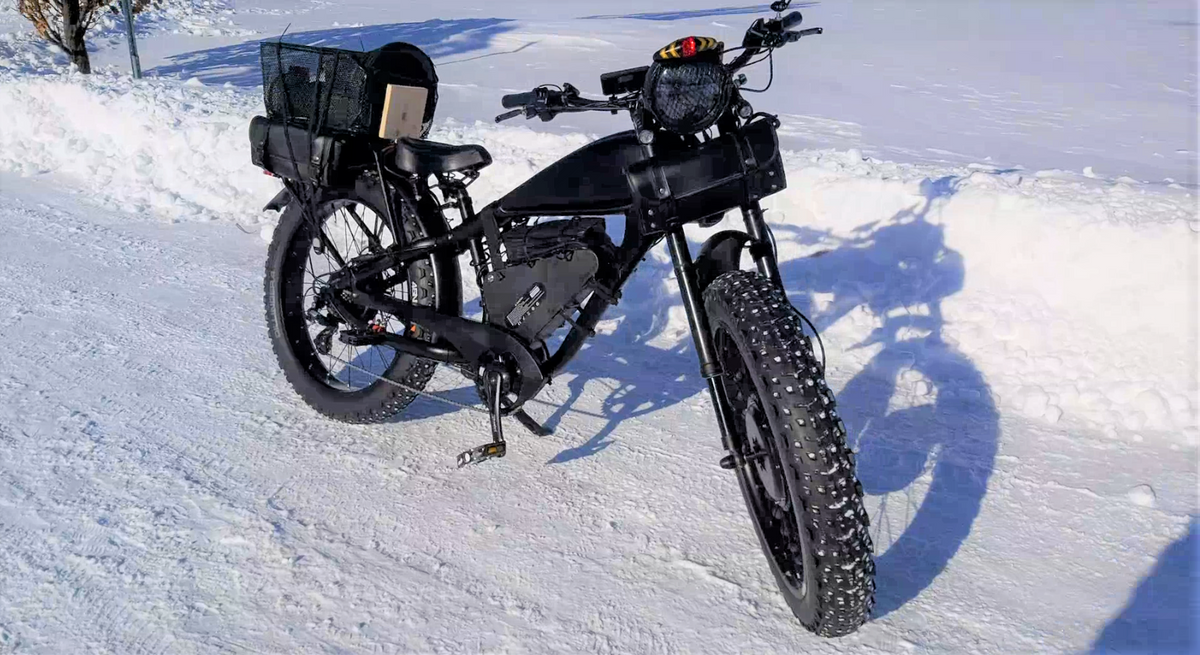
Winter Is Coming. Is Your E-Bike Ready for a Break?
As temperatures drop and daylight hours get shorter, many riders start spending less time outdoors. Your weekend rides may become less frequent, and before you know it, your electric bike might be sitting in the garage for weeks or even months.
But here's something many e-bike owners overlook: Not riding your bike doesn't mean it doesn't need maintenance.
Cold temperatures, moisture, improper battery storage, and low tire pressure can all affect your e-bike while it's sitting unused.
Whether you ride a Revi Cheetah, Cougar, Rebel.2, or another electric bike, a little preparation before winter can help protect your investment and make your first spring ride much easier.
Here are seven important things to do before putting your e-bike away for the season.
1. Take Care of Your Battery First
Your battery is one of the most important and valuable components of your electric bike. Improper storage can gradually reduce its performance and long-term capacity.
One of the biggest mistakes riders make is leaving their battery fully charged or completely empty for months.
For extended storage, a partially charged battery is generally better than either extreme.
Here are some battery storage tips:
-
Keep your battery around 40%–60% charge for long-term storage, unless your battery manufacturer specifies a different level.
-
Never leave the battery completely discharged for extended periods.
-
Avoid storing it at 100% charge for several months.
-
Check the battery level periodically during storage.
-
Use the original charger designed for your battery.
Lithium-ion batteries naturally lose a small amount of charge over time. If the battery level drops too low, it may become difficult or impossible to recharge normally.
Pro Tip: Set a monthly reminder to check your battery level. It's a simple habit that can help prevent unnecessary battery problems when riding season returns.
2. Store Your Battery Somewhere Warm and Dry
Should you leave your e-bike battery in the garage all winter?
It depends on how cold your garage gets.
Extreme cold can affect battery performance, and storing a removable battery in freezing conditions for extended periods is not ideal.
If your bike has a removable battery, consider taking it indoors and storing it in a cool, dry, well-ventilated location.
Keep these things in mind:
-
Avoid freezing temperatures and extreme heat.
-
Keep the battery away from direct sunlight.
-
Avoid damp basements, outdoor sheds, and areas exposed to moisture.
-
Keep the battery away from heaters, open flames, and combustible materials.
-
Never charge a battery that is extremely cold. Let it return naturally to an appropriate room temperature first.
Always follow the storage temperature recommendations in your specific battery manual.
Remember: A battery that is properly stored today is more likely to be ready for your next adventure tomorrow.
3. Clean Your E-Bike Before Putting It Away
You might think a little dirt won't matter if you're not riding for a few months.
However, leaving mud, dust, road salt, and moisture on your bike can contribute to corrosion and premature wear.
Before storing your e-bike, give it a proper cleaning.
Your cleaning checklist:
-
Wipe down the frame and remove dirt and mud.
-
Clean the wheels, tires, and fenders.
-
Remove dirt and debris around the chain and drivetrain.
-
Dry the bike thoroughly with a clean cloth.
-
Clean the battery exterior and electrical contact areas carefully.
Avoid pressure washers and direct high-pressure water around the motor, battery, display, and electrical connectors.
Once everything is clean and completely dry, your bike will be in much better condition for its winter break.
4. Check Your Tires Before Storage
Your tires are another component that deserves attention.
When an e-bike sits in one position for a long time, tire pressure can gradually decrease. Leaving tires significantly underinflated can increase the risk of flat spots and unnecessary tire stress.
Before storing your bike:
-
Check the recommended tire pressure printed on the tire sidewall.
-
Inflate the tires to an appropriate pressure within the recommended range.
-
Inspect the tread for cracks, embedded debris, or unusual wear.
-
If possible, move the bike slightly every few weeks or use a suitable bike stand.
If your bike has wider fat tires, don't assume they don't need attention. Tire pressure still matters, even when the bike isn't moving.
5. Don't Forget Your Brakes and Chain
A bike that sits unused for several months can develop problems that aren't immediately obvious.
Before storage, take a few minutes to inspect the main mechanical components.
Brakes:
-
Check that both brakes engage properly.
-
Inspect brake pads for excessive wear.
-
Look for signs of rust or damage on brake rotors.
-
Make sure brake levers feel normal.
Chain and Drivetrain:
-
Clean away dirt and old lubricant.
-
Apply an appropriate bicycle chain lubricant.
-
Wipe away excess lubricant.
-
Check for unusual rust or excessive chain wear.
If you notice unusual brake noises, weak braking, or damaged components, have them inspected before your next ride.
A quick inspection now can save you from discovering a problem on your first spring adventure.
6. Choose the Right Place to Store Your E-Bike
Where you store your bike can make a big difference.
An indoor garage, storage room, or other dry and protected area is generally preferable to leaving your e-bike outside.
Ideal storage conditions include:
-
A dry indoor environment.
-
Protection from rain, snow, and direct sunlight.
-
Stable temperatures without extreme heat or cold.
-
A location away from chemicals and flammable materials.
If you use a bike cover, make sure the bike is completely dry before covering it. A breathable cover is preferable to trapping moisture underneath a tightly sealed cover.
Also, avoid placing heavy objects against your bike or putting unnecessary pressure on the wheels and handlebars.
Your e-bike doesn't need a fancy storage setup. It just needs a clean, dry, and protected place to rest.
7. Give Your E-Bike a Quick Check Before Spring
Winter storage doesn't mean you should completely forget about your bike.
Every four to six weeks, take a few minutes to check its condition.
Here's a simple maintenance checklist:
-
Check the battery charge level.
-
Inspect the tires and adjust pressure if necessary.
-
Look for signs of moisture or corrosion.
-
Make sure the bike remains clean and dry.
-
Check that nothing is pressing against the battery or electrical components.
When spring finally arrives, don't immediately jump on your bike and head out for a long ride.
Instead, take a few minutes to inspect the battery, brakes, tires, lights, and electrical connections. Check that everything works properly before your first ride.
If you notice any unusual noises, error codes, or electrical problems, contact a qualified service professional before riding.
Winter E-Bike Storage Checklist: Save This for Later!
Before putting your electric bike away, make sure you've completed these essential steps.
- Charge the battery to the recommended storage level.
- Remove the battery and store it properly if applicable.
- Clean and completely dry the bike.
- Check tire pressure and inspect the tread.
- Clean and lubricate the chain.
- Inspect the brakes and electrical connections.
- Find a dry, protected storage location.
- Schedule periodic battery and tire checks.
Your Next Riding Season Starts with Good Preparation
Winter might mean fewer rides, shorter days, and more time spent indoors. But it doesn't have to mean neglecting your favorite ride.
Taking care of your e-bike before long-term storage is one of the easiest ways to protect its battery, preserve its components, and avoid unnecessary maintenance when warmer weather returns.
Whether you're riding your Revi Cheetah, Cougar, Rebel.2, or Rebel.2 Pro, a little attention now can make a big difference later.
Take care of your bike this winter, and it'll be ready when the open road calls again.
See you on the next ride!
— Team Revi Bikes
共有:
How Far Can an Electric Bike Really Go? Understanding E-Bike Range
Fat Tire vs. Regular E-Bikes: Which One Is Better for Winter Riding?