

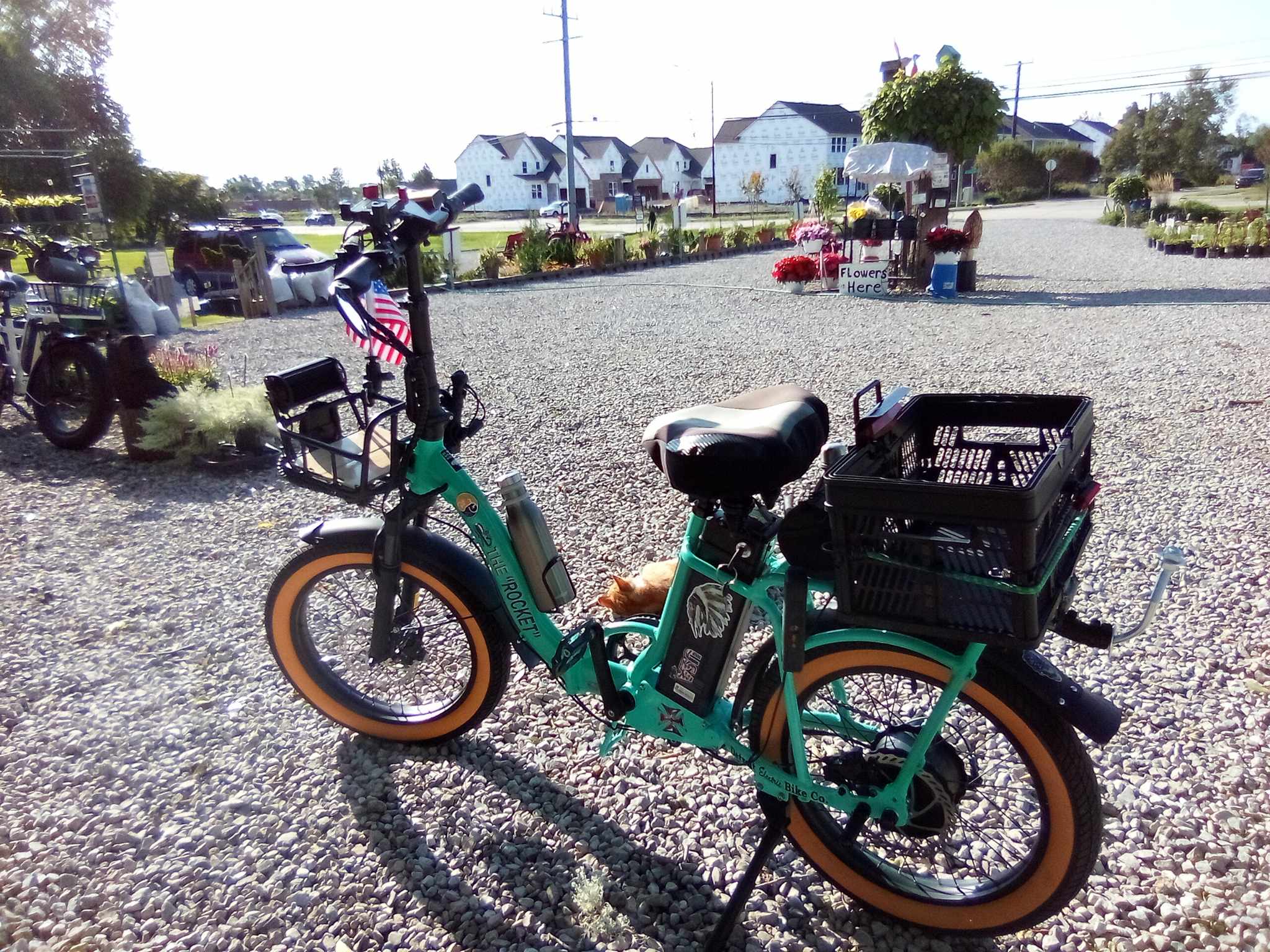
Thinking about buying an electric bike in 2026?
This could be the best year yet to make the switch.
Between federal tax credits, state rebates, and local incentive programs, many riders can save $500 to over $1,500 on a new eBike purchase.
But these programs can be confusing, and not every rider knows what they qualify for.
In this guide, we’ll break down:
- What eBike incentives actually are
- Where the biggest savings come from
- How to combine programs
- Step-by-step ways to maximize your discount
Understanding eBike Incentives (What They Mean)
eBike incentives are government-backed programs designed to reduce the upfront cost of electric bicycles.
They usually come in 3 forms:
- Tax credits (claimed after purchase)
- Rebates (instant or mailed refunds)
- Local vouchers or utility incentives
The goal is simple:
Encourage cleaner, cheaper, and more efficient transportation.
Why Governments Are Offering eBike Discounts
Electric bikes are now seen as a core part of urban mobility—not just a trend.
They help:
- Reduce traffic congestion in cities
- Lower carbon emissions
- Replace short car trips
- Improve public health and mobility access
Because of this, many governments are actively funding eBike adoption through subsidies.
Federal eBike Tax Credit (Potential Savings: Up to $1,500)
One of the biggest incentives available is the federal eBike tax credit proposal.
How it works:
- Typically covers up to 30% of the purchase price
- Maximum credit around $1,500
- Applies to qualifying Class 1–3 eBikes
- Usually capped on bike price eligibility (often around ~$8,000)
Example:
If you buy a $3,000 eBike:
→ You may receive about $900 back as a tax credit
Key takeaway:
This alone can significantly reduce the cost of mid-to-premium eBikes.
State eBike Rebates (Stackable Savings)
State programs vary widely, but many offer additional savings on top of federal credits.
Common examples in 2026:
California
- Up to $1,500–$2,000 rebates
- Extra support for low-income households
Colorado
- Around $225 instant rebate or tax credit
- Some cities add additional local incentives
New York
- Planned rebate programs covering up to ~50% (income-based in some cases)
Washington
- $300–$1,200 rebates (limited-time programs)
Minnesota
- Up to $1,500 depending on income eligibility
Local & City Incentives (The Hidden Savings)
Many riders miss this part completely.
Local governments and utility companies often offer:
- $500–$1,500 city vouchers
- Commuter or eco-friendly transport rebates
- Trade-in programs (car → eBike incentives)
Cities like Denver, Austin, and Atlanta often run stackable programs, meaning you can combine multiple discounts.
How to Maximize Your eBike Savings (Step-by-Step)
If you want to get the highest possible discount, follow this process:
Step 1: Check All Available Programs
Search for:
- Federal credits
- Your state’s rebate program
- City or utility incentives
Step 2: Confirm Eligibility
Most programs require:
- Income limits (for larger rebates)
- Approved eBike categories (Class 1–3)
- Purchase from eligible retailers
Step 3: Choose the Right eBike
Make sure your bike meets:
- ≤750W motor limit (common requirement)
- Legal Class 1–3 standards
- Documentation for rebate applications
Step 4: Apply Early (Important)
Many rebate programs:
- Open in limited windows
- Run out of funding quickly
- Require first-come, first-served applications
Real Example: How Savings Stack
Let’s say you buy a $2,800 eBike:
- Federal Tax Credit → -$840
- State Rebate → -$500
- Local Incentive → -$300
Total savings: $1,640
Final cost: $1,160
This is why stacking programs matters.
Common Mistakes to Avoid
Many buyers lose savings because they:
- Don’t apply for all programs
- Miss application deadlines
- Buy non-eligible eBikes
- Assume incentives are automatic
What’s Next for eBike Incentives?
The trend is expanding, not slowing down.
Expect:
- More cities launching rebate programs
- Higher incentive amounts in some states
- Faster adoption of eBike commuter policies
- More funding for green transportation
If you’ve been considering an eBike, 2026 is one of the strongest years to buy.
With the right combination of incentives, you can significantly lower your cost and upgrade your commuting experience at the same time.
The key is simple:
Check eligibility early, stack incentives, and choose a compliant eBike.
And beyond savings, the real value is long-term: lower transportation costs, easier commuting, and more freedom on the road.
Share:
Top 10 Scenic Bike Trails in Southern California for Vintage Ebike Lovers
Beating the 2026 Gas Price Spike: Is an Electric Cargo Bike the Ultimate "Car Killer"?