

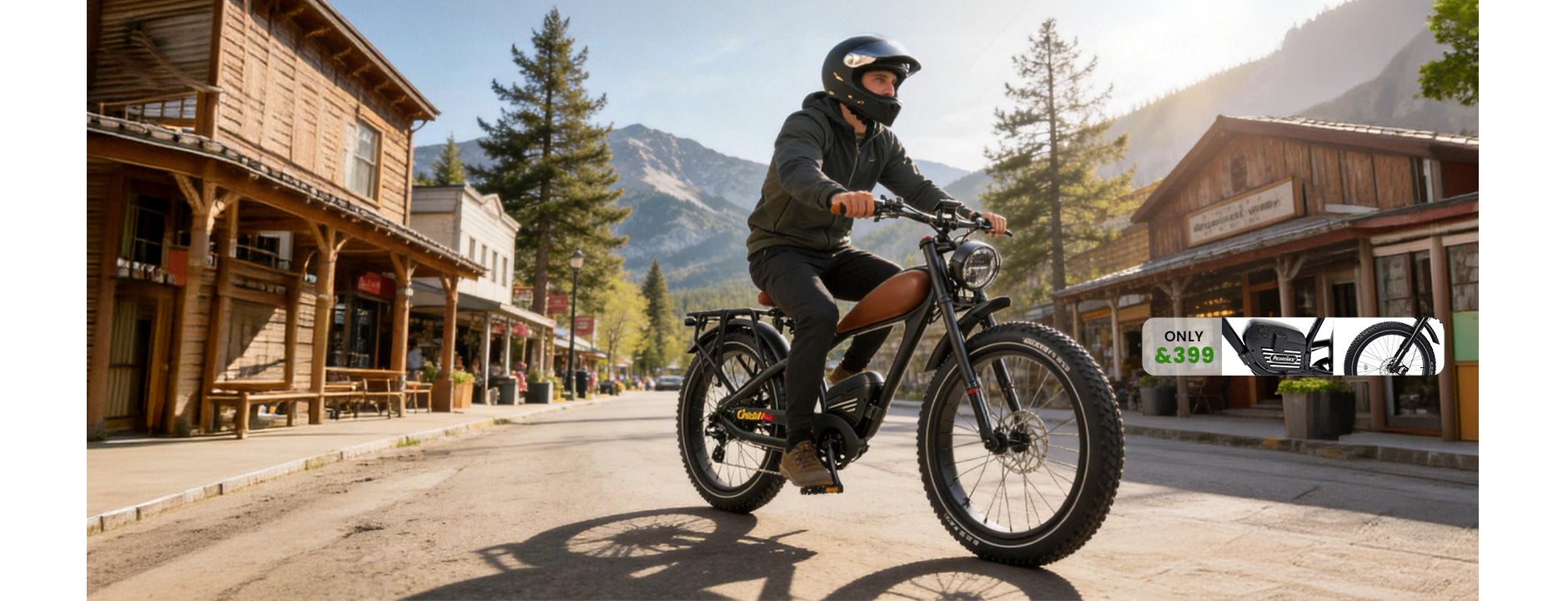
Gas prices are rising again in 2026—and for many households, it’s starting to hurt.
In fact, even modest increases at the pump are enough to change behavior. Studies show that once gas prices climb, more people begin shifting toward smaller electric mobility options like eBikes and scooters.
So here’s the real question:
Do you actually need a car for most of your daily trips?
Or is there a smarter, cheaper alternative hiding in plain sight?
The Real Cost of Driving in 2026
Most people only think about fuel—but that’s just the beginning.
Owning a car today means paying for:
- Gas
- Insurance
- Maintenance & repairs
- Parking
- Depreciation
When you add it all up, the average driver is spending $5,000–$7,000+ per year just to keep a car on the road.
And that number goes even higher in cities.
Enter the Electric Cargo Bike
Electric cargo bikes aren’t just “bikes with baskets”—they’re becoming legitimate car replacements.
Modern cargo eBikes can:
- Carry groceries, gear, or even kids
- Replace short commutes and errands
- Handle daily urban travel with ease
In fact, many families are already replacing their second car entirely with a cargo eBike—and seeing immediate savings.
One real-world example showed:
- $250 saved on gas (in just one month)
- Additional savings on insurance and maintenance
- Full ROI in just a few months
The Financial Argument: It’s Not Even Close
Let’s compare quickly:
Car (Annual)
- Fuel: $1,000–$2,500
- Insurance: ~$1,000+
- Maintenance: $300–$1,000
- Parking: $500–$2,000
Total: $5,000–$7,000+ per year
Electric Cargo Bike (Annual)
- Charging: a few dollars per year
- Maintenance: ~$100
- Insurance: optional / minimal
Total: under $1,000 per year
That means switching can save you $4,000–$7,000 annually.
And here’s the wild part:Charging an eBike can cost less than a cup of coffee per year.
“Car Replacement” Is No Longer a Stretch
The biggest objection used to be:But I need a car for errands.
Not anymore.
Today’s cargo eBikes:
- Handle 80%+ of daily trips (commutes, groceries, school runs)
- Can carry up to 150kg+ payloads
- Offer ranges of 40–100 miles per charge
For urban and suburban life, that covers almost everything.
And for the remaining 20%?
Rent a car occasionally—and still save thousands annually.
Bonus: It’s Not Just About Money
Switching to an electric cargo bike also means:
- Lower emissions (dramatically less than cars)
- Built-in daily exercise
- Less stress in traffic
- Easier parking (basically anywhere)
Plus, many riders report something unexpected:
It’s actually more fun.
So… Is It Really a “Car Killer”?
Let’s be honest—not 100% of the time.
Cargo eBikes are NOT ideal for:
- Long-distance highway travel
- Extreme weather conditions
- Rural areas with poor infrastructure
But for urban life?
They’re not just an alternative.
They’re often the better option.
The Smarter Strategy (Most People Miss This)
You don’t need to fully “quit” cars.
The real win is this:
Replace 60–80% of your trips with an eBike
That alone can:
- Cut your transportation costs in half
- Extend your car’s lifespan
- Reduce your dependence on gas entirely
Final Thoughts: The Rise of the “Car-Lite” Lifestyle
The future isn’t about choosing between a car or a bike.
It’s about using the right tool for the right trip.
And in 2026, with gas prices rising and cities becoming more congested than ever, more people are rethinking what “daily transportation” actually means.
For many riders, the shift is simple:
short trips no longer belong to cars.
The question isn’t whether change is coming.
It’s how quickly people are ready to adapt.
Because once you experience a more efficient way to move through the city, it becomes hard to go back.
Lower cost. Less stress. More freedom.
That combination is reshaping how people commute, run errands, and explore their neighborhoods.
At Revibikes, we’ve seen this shift firsthand.
More riders are moving toward practical electric bikes that are designed for real-world use—whether it’s daily commuting, grocery runs, or weekend rides around the city.
Not oversized. Not overcomplicated. Just the right balance of power, comfort, and value.
And that’s really where the future is heading:
Affordable upfront
Low running cost
Built for everyday life
You don’t just beat gas prices—you change the way you move.
And once that switch happens, the city feels completely different.
共有:
2026 eBike Tax Credits & Rebates: How to Save Up to $2,000 on Your Next Electric Bik
Decoding the Mystery: What Your E-Bike Error Codes Are Really Trying to Tell You