

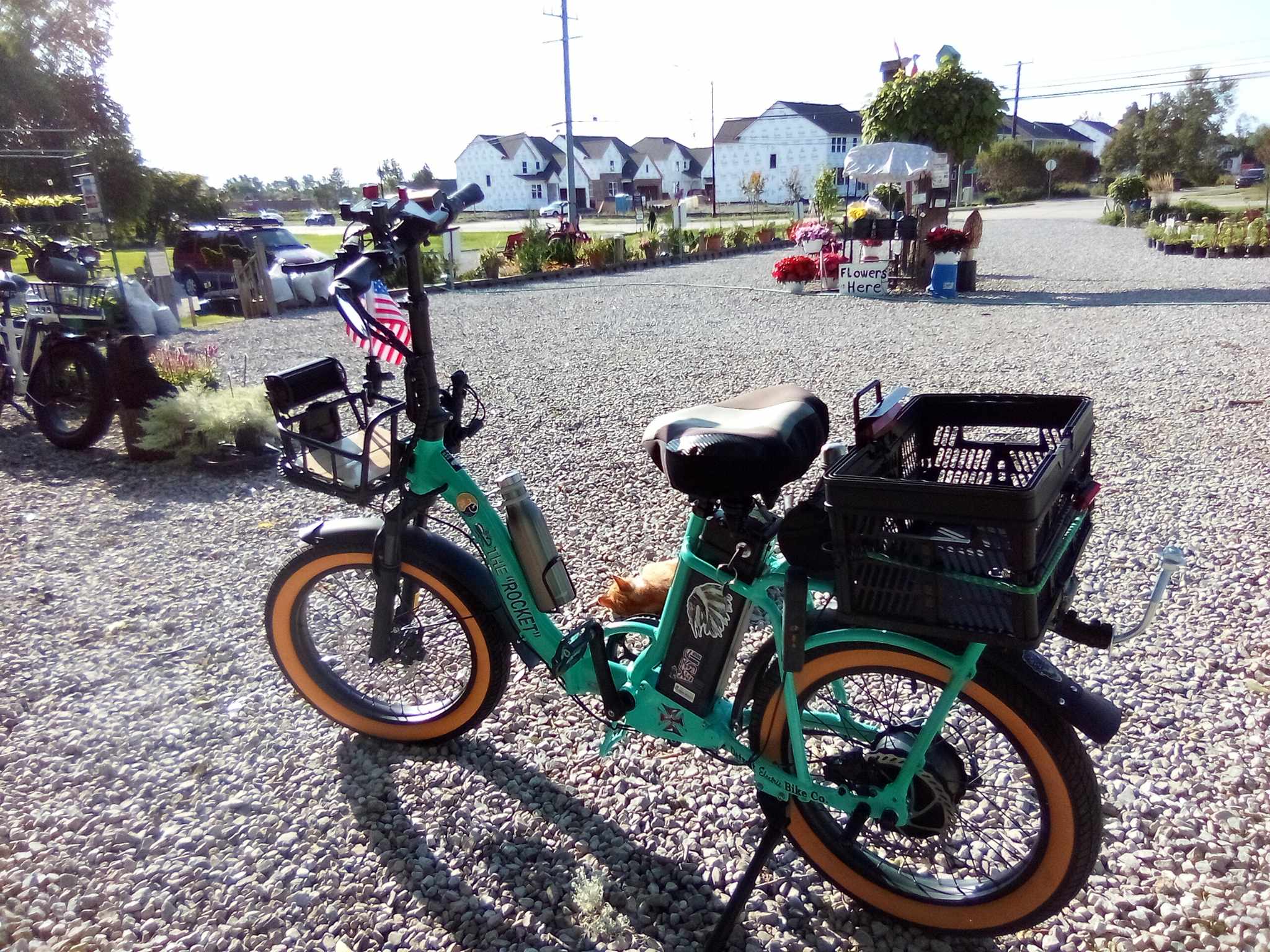
Thinking about buying an eBike in 2026?
This could be one of the most affordable years ever to make the switch. Between federal tax credit proposals, state rebate programs, local utility incentives, and city transportation grants, many riders may be able to save hundreds—or even thousands—of dollars on a new electric bike.
Most buyers focus only on the sticker price. The smarter approach is to look at the total cost of ownership and the incentives available in your area. When rebates, tax credits, and fuel savings are combined, an eBike can become far more affordable than most people expect.
How Much Does Driving Really Cost?
The average American driver spends a significant amount on fuel each year. Depending on driving habits and local fuel prices, gasoline alone can easily cost between $1,800 and $3,000 annually.
That means many riders spend enough on gas in a single year to purchase a quality electric bike.
Instead of continuously paying for fuel, more Americans are choosing to invest in an eBike that can reduce transportation costs while providing a more enjoyable way to travel,
What Are eBike Incentives?
eBike incentives are programs designed to lower the cost of purchasing an electric bicycle. These programs are typically funded by federal, state, local, or utility organizations seeking to encourage cleaner transportation options.
Most incentives fall into three categories:
Federal Tax Credits
A percentage of the purchase price may be returned through a tax credit after purchase.
State Rebates
Many states offer direct rebates that reduce the overall cost of buying an eBike.
Local Incentives
Cities, counties, and utility companies may provide additional vouchers, grants, or transportation incentives.
In some cases, these programs can be combined, allowing buyers to maximize their savings.
A Real Example of How Savings Can Add Up
Imagine purchasing an eBike priced at $2,000.
If you qualify for a federal tax credit worth 30 percent of the purchase price, you could receive approximately $600 back.
If your state offers a rebate worth $500 and your local utility company provides an additional $300 incentive, your total savings could reach $1,400.
That would reduce the effective cost of your eBike from $2,000 to just $600.
For many households, that is less than a few months of fuel expenses.
Understanding the Federal eBike Tax Credit
Federal eBike tax credit proposals have gained significant attention because they have the potential to provide some of the largest savings available.
While specific program details can change, many proposals include:
- Up to 30 percent of the purchase price
- Maximum savings of approximately $1,500
- Eligibility for qualifying Class 1, Class 2, and Class 3 eBikes
- Certain purchase price limits and eligibility requirements
For buyers considering a premium electric bike, these savings can make a substantial difference.
State Rebate Programs Continue to Expand
Many states are actively encouraging eBike adoption through rebate programs.
California
California has introduced some of the most generous eBike incentive programs in the country, with rebates reaching up to $2,000 for eligible applicants.
Colorado
Colorado offers point-of-sale incentives that can immediately reduce the purchase price of an electric bike.
Minnesota
Minnesota's rebate programs may provide significant savings, particularly for qualifying households.
Washington and New York
Both states continue expanding transportation initiatives that support electric mobility and eBike adoption.
Because program details change regularly, buyers should always verify current eligibility requirements before making a purchase.
The Hidden Savings Most Buyers Overlook
Many riders stop researching after finding federal and state incentives. However, local incentives can provide additional savings that are often overlooked.
Depending on where you live, you may be eligible for:
- Utility company rebates
- Commuter incentive programs
- Green transportation grants
- Local government vouchers
- Vehicle replacement initiatives
These programs can sometimes add hundreds of dollars in additional savings.
The Long-Term Financial Benefits of Owning an eBike
The initial purchase price is only part of the equation.
Consider a commuter who spends:
- $200 per month on fuel
- $100 per month on parking
- Additional costs for vehicle maintenance and repairs
Over the course of a year, these expenses can exceed $3,600.
An eBike can help reduce many of these costs while providing greater flexibility and convenience.
Many owners find that their eBike quickly becomes one of the most frequently used forms of transportation in their household.
Real-World Examples
The Daily Commuter
A rider using an eBike for a daily commute may significantly reduce spending on fuel, parking, and vehicle maintenance while avoiding traffic congestion.
The Weekend Explorer
For riders who enjoy local trips, errands, and recreational rides, an eBike can replace many short car journeys while reducing transportation expenses.
The Active Retiree
Many retirees choose eBikes because they provide an enjoyable way to stay active, maintain mobility, and reduce dependence on a vehicle for local travel.
How to Maximize Your Savings
Research Available Programs
Start by identifying all incentive programs available in your area, including federal, state, local, and utility-sponsored options.
Verify Eligibility
Many programs include specific requirements related to residency, income, bike classification, or retailer participation.
Choose a Qualified eBike
Make sure the model you purchase meets all program requirements and documentation standards.
Apply Early
Many rebate programs operate on limited budgets and are available on a first-come, first-served basis. Waiting too long could result in missed opportunities.
Why 2026 Could Be the Ideal Time to Buy an eBike
Government investment in electric transportation continues to grow, while eBike technology becomes more advanced and accessible.
At the same time, many households are searching for ways to reduce transportation costs without sacrificing convenience.
For buyers who qualify for available incentives, 2026 may offer one of the strongest opportunities yet to purchase an electric bike at a significantly reduced cost.
Final Thoughts
An eBike is more than just a recreational purchase. It can be a practical transportation solution that helps reduce fuel expenses, lower vehicle dependence, and create new opportunities for commuting and recreation.
The most informed buyers look beyond the purchase price and consider the complete financial picture, including available rebates, tax credits, fuel savings, and long-term value.
By researching available incentives early and understanding how programs can work together, you can maximize your savings and make a more informed decision when purchasing your next eBike.
共有:
Top 10 Scenic Bike Trails in Southern California for Vintage Ebike Lovers
Beating the 2026 Gas Price Spike: Is an Electric Cargo Bike the Ultimate "Car Killer"?