

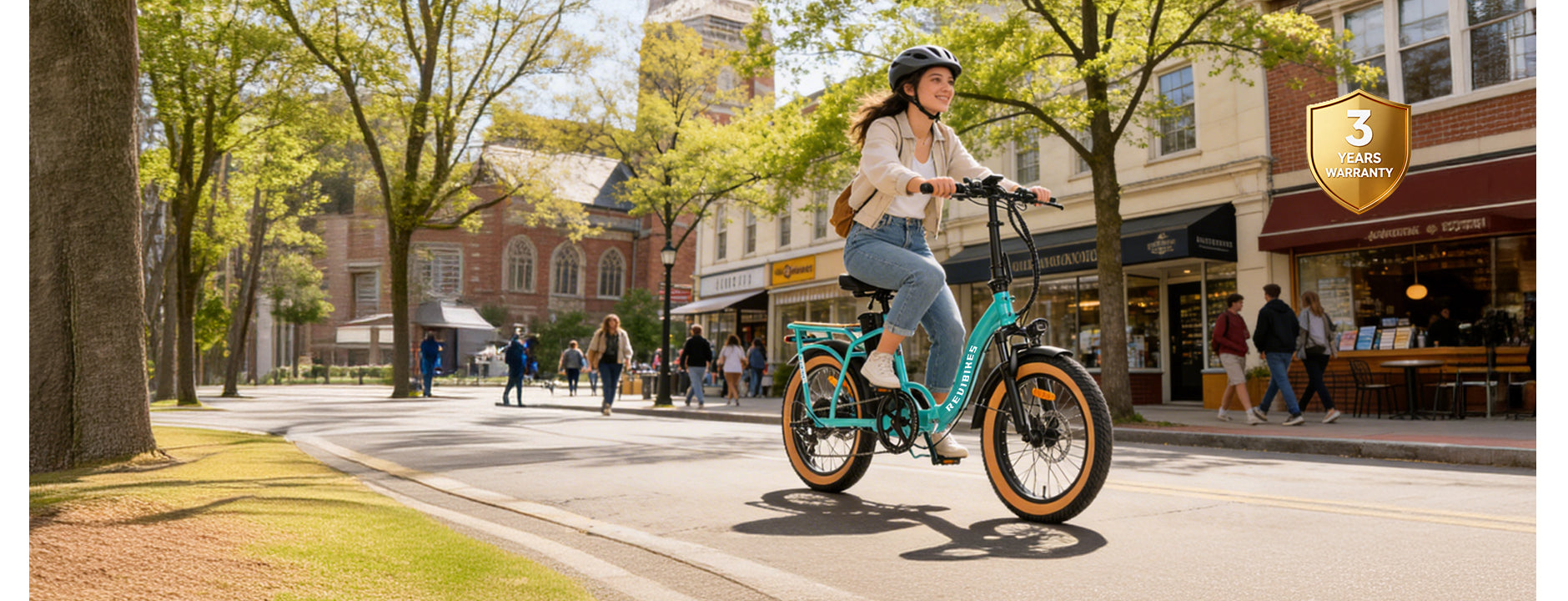
Electric bikes are becoming one of the most popular ways to commute and explore.
But as eBike adoption grows, so do regulations.
Understanding eBike classes and speed limits in 2026 is essential if you want to avoid fines, ride safely, and choose the right bike for your needs.
In this guide, we’ll break everything down in a simple, practical way.
What Are Ebike Classes?
eBike classes are a legal classification system that defines:
- How the motor works (pedal assist or throttle)
- Maximum assisted speed
- Where you are allowed to ride
Most regions use three main categories:
- Class 1
- Class 2
- Class 3
Each class comes with different rules—and choosing the wrong one can limit where you ride.
Class 1 Ebikes (Pedal Assist Only)
Class 1 eBikes are the most widely accepted type.
Key Features:
- Motor activates only when you pedal
- Maximum assisted speed: 20 mph (32 km/h)
- No throttle
Where You Can Ride:
- Bike lanes
- Shared-use paths
- Most public trails (in many regions)
Why Riders Choose Class 1:
- Most legally flexible option
- Feels closest to a regular bicycle
- Ideal for commuting and fitness riding
Class 2 Ebikes (Throttle + Pedal Assist)
Class 2 bikes add more convenience through a throttle system.
Key Features:
- Throttle + pedal assist
- Maximum speed: 20 mph (32 km/h)
- Can ride without pedaling
Where You Can Ride:
- Roads and bike lanes
- Some shared paths (depends on local rules)
- Restrictions often apply on trails
Important Note:
Even if your bike has a throttle, some areas restrict throttle-only use, especially on trails and parks.
Class 3 Ebikes (High-Speed Commuter Bikes)
Class 3 eBikes are built for faster commuting.
Key Features:
- Pedal assist only (no throttle)
- Maximum speed: 28 mph (45 km/h)
Where You Can Ride:
- Roads
- Bike lanes (in most cities)
- Often restricted from multi-use trails
What Makes Class 3 Different:
They are designed for urban commuters who need to keep up with traffic—but they come with stricter access rules.
Ebike Speed Limits Around the World (2026 Overview)
Regulations vary widely depending on where you ride.
United States
- No federal restriction beyond class definitions
- States and cities set additional rules
Examples:
- California: Class 3 allowed on roads and bike lanes, restricted on many trails
- New York City: Some throttle restrictions in public spaces
Europe (EU Standard)
- Maximum assisted speed: 25 km/h (15.5 mph)
- Faster models may require registration or licensing
Canada
- Limits vary by province
- Some Class 3 eBikes require helmets or registration
Australia
- Most eBikes limited to 25 km/h assisted speed
- Stricter enforcement in urban areas
Important: Local city rules often matter more than national laws.
Why eBike Speed Classes Matter
Choosing the wrong class can lead to real consequences:
Safety Risks
- Higher speed = longer stopping distance
- More collision risk in crowded areas
Legal Issues
- Fines or warnings
- Restrictions on certain paths
- Possible confiscation in extreme cases
Insurance Problems
- Non-compliant bikes may not be covered after accidents
Where You Can and Can’t Ride
Even within the same class, access rules differ.
Generally Allowed:
- Roads
- Dedicated bike lanes
- Some shared-use paths
Often Restricted:
- Sidewalks (in most regions)
- Hiking-only trails
- Protected nature areas
Class 3 Special Rule:
Many cities limit Class 3 eBikes to:
- Roads
- Bike lanes only
- No multi-use trails
How to Choose the Right Ebike Class
Before buying an eBike, ask yourself:
1. Where will I ride most often?
- City commuting → Class 2 or 3
- Mixed trails → Class 1 or Class 2
- Recreation → Class 1
2. Do I want throttle control?
- Yes → Class 2
- No → Class 1 or 3
3. Do I need higher speed?
- Yes → Class 3
- No → Class 1 or 2
Common Mistakes Riders Make
Many riders run into problems because they:
- Don’t understand class restrictions
- Assume all eBikes can go everywhere
- Modify speed beyond legal limits
- Ignore local trail rules
These mistakes often lead to avoidable fines or riding bans.
FAQ
Q1: Can I change my eBike class?
Technically yes, but modifying speed or throttle settings may be illegal depending on your region.
Q2: Is Class 3 better than Class 2?
Not necessarily—it depends on your riding environment. Class 3 is faster but more restricted.
Q3: Can I ride all classes on bike trails?
No. Many trails allow only Class 1, and some ban all motorized bikes.
Final Thoughts
Understanding eBike classes is not just about speed—it’s about where you can safely and legally ride.
To summarize:
- Class 1 → Most flexible, trail-friendly
- Class 2 → Balanced, includes throttle convenience
- Class 3 → Fast commuter, but restricted access
The best choice depends entirely on your lifestyle and riding environment.
A Practical Choice for Everyday Riders
For riders who want flexibility between city commuting and casual rides, many choose a Class 2 eBike because it balances convenience and accessibility.
A well-designed Class 2 model allows:
- Throttle for easy starts
- Pedal assist for longer rides
- Compatibility with most urban riding rules
Share:
Class 2 eBikes: Throttle vs Pedal Assist – Which One Is Right for You in 2026?
Top 10 Scenic Bike Trails in Southern California for Vintage Ebike Lovers