

When shopping for an electric bike, one of the first questions riders ask is: How far can it go on a single charge?
Some e-bikes advertise a range of 30 miles, while others claim 60, 80, or even more. But real-world riding range can be very different from the numbers listed in product descriptions.
So, how far can an electric bike really go? What affects battery range, and how can you get more miles out of every charge?
Let's break it down.
1. What Is the Average Range of an Electric Bike?
Most electric bikes can travel approximately 20–60 miles on a single charge, depending on their battery capacity, motor system, riding conditions, and level of pedal assistance.
Here is a general guide:
| E-Bike Battery Capacity | Estimated Riding Range |
|---|---|
| 36V 10Ah | 20–35 miles |
| 48V 15Ah | 30–50 miles |
| 48V 20Ah | 40–60 miles |
| Dual-Battery Systems | 60–100+ miles |
These figures are general estimates, not guaranteed distances. Actual range varies significantly depending on the bike and how it is ridden.
A larger battery generally provides more stored energy, which can help you travel farther between charges.
2. What Factors Affect E-Bike Battery Range?
Battery capacity is important, but it is not the only factor that determines how far your electric bike can go.
Battery Capacity
Battery capacity is commonly measured in amp-hours (Ah) and watt-hours (Wh).
Watt-hours provide a more useful way to compare the total energy stored in different batteries.
For example:
-
48V 15Ah = 720Wh
-
48V 20Ah = 960Wh
-
48V 30Ah = 1,440Wh
A 48V 20Ah battery stores more energy than a 48V 15Ah battery, which can provide a longer riding range under similar conditions.
Riding Mode and Pedal Assistance
How you ride makes a big difference.
Using a higher pedal-assist level or relying heavily on the throttle generally consumes more battery power. Lower assistance levels, combined with consistent pedaling, can help extend your range.
If your bike offers multiple PAS levels, try adjusting them based on the terrain and your riding needs.
Rider Weight and Cargo
The total load carried by an e-bike affects energy consumption.
A heavier rider, additional cargo, or accessories can require more power from the motor, especially when accelerating or climbing hills.
Terrain and Weather
Flat roads usually require less energy than steep hills or rough terrain.
Wind resistance, low temperatures, tire pressure, and frequent stops can also affect battery performance.
For example, riding against a strong headwind or climbing long hills may reduce your range compared with riding on flat roads in mild weather.
3. How to Get More Miles From Your E-Bike
Want to make your battery last longer? A few simple habits can help.
Use a lower pedal-assist level when possible. Save higher assistance for hills, acceleration, or situations where you need extra power.
Maintain proper tire pressure. Underinflated tires create more rolling resistance and can use additional battery energy.
Avoid unnecessary acceleration. Smooth, gradual acceleration is generally more energy-efficient than repeatedly starting at full power.
Keep your bike maintained. Check your brakes, drivetrain, and tires regularly. Mechanical resistance can make your motor work harder.
Plan your route. Choosing flatter roads and avoiding unnecessary stops can help you get more distance from each charge.
4. Is a Dual-Battery E-Bike Worth It?
If you regularly take long rides, commute longer distances, or simply don't want to recharge your bike as often, a dual-battery e-bike may be worth considering.
A dual-battery system combines two batteries to provide greater total energy capacity.
Potential advantages include:
-
More available battery capacity for longer rides
-
Less frequent charging during regular use
-
More flexibility for longer commutes and recreational trips
-
Additional energy reserves for demanding riding conditions
However, dual-battery systems may add weight and cost. The actual range still depends on riding conditions, motor power, terrain, and assistance level.
For riders who want more freedom to explore without worrying as much about battery life, a dual-battery setup can be a practical upgrade.
5. How Far Can a Revibikes E-Bike Go?
At Revibikes, different models and configurations are designed to support different riding needs.
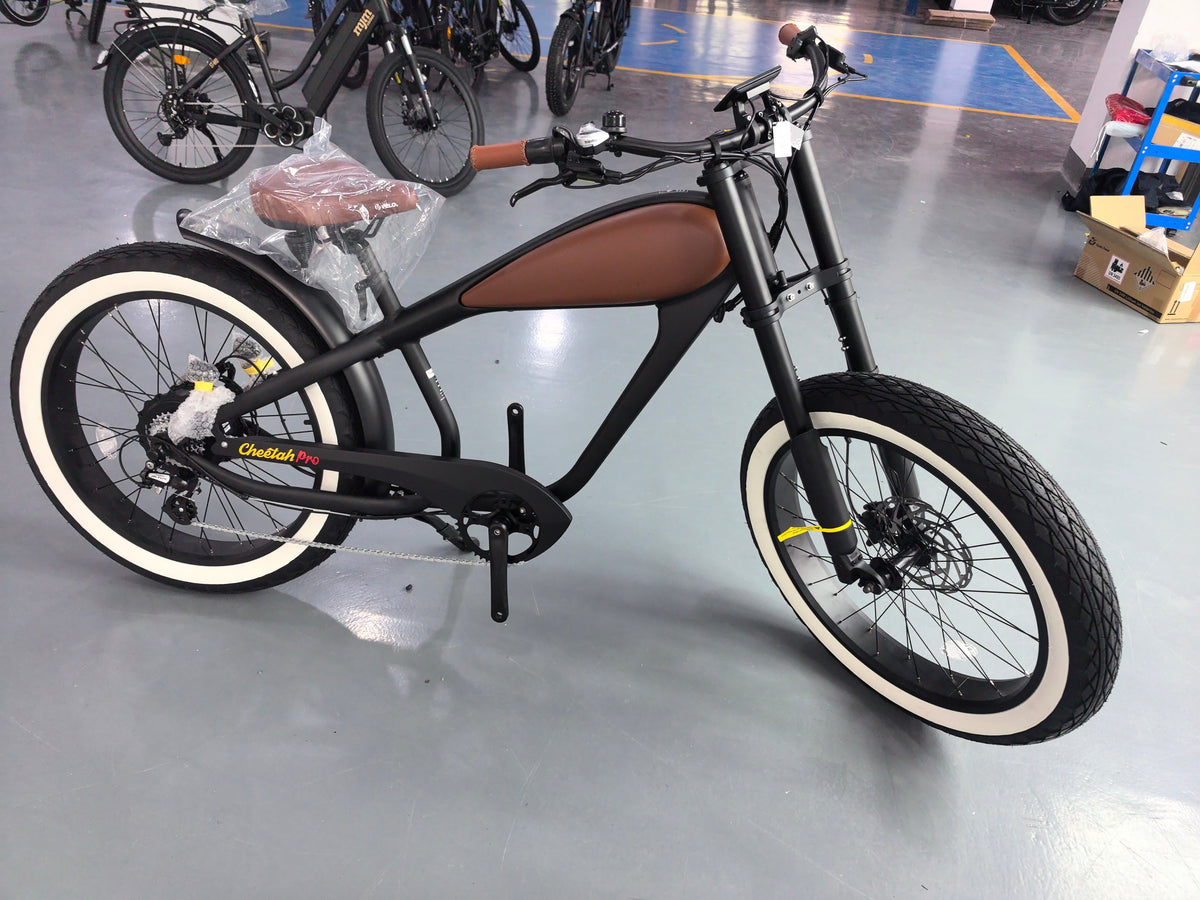
For example, the Cheetah offers an estimated range of 50–60 miles, while the Cheetah Pro's dual-battery configuration is designed for an estimated range of 70–80 miles under suitable riding conditions.
For riders looking for even more customization, our custom Prowler builds can feature a dual-battery system with an estimated range of approximately 60–90 miles, depending on the final configuration and riding conditions.
These estimates are intended as a general guide. Your actual mileage may vary.
6. Choose an E-Bike That Fits Your Riding Distance
Before choosing an electric bike, think about how far you normally ride.
-
Short daily commutes: A standard battery may be enough.
-
Longer commutes: Consider a higher-capacity battery.
-
Weekend adventures: Look for a bike with a larger battery or dual-battery option.
-
Long-distance riding: Consider a dual-battery configuration and plan your charging needs.
The best electric bike isn't necessarily the one with the biggest battery. It's the one that matches your daily riding habits, preferred terrain, and range expectations.
Final Thoughts
E-bike range depends on much more than battery size. Your riding style, terrain, rider weight, weather, and maintenance habits all play a role.
Understanding these factors can help you choose the right battery capacity and get the most out of every ride.
Ready to find an e-bike that matches your riding style?
Explore the Revibikes lineup and discover the right ride for your next adventure.
Share:
How to Build a Ride That Reflects Your Style