

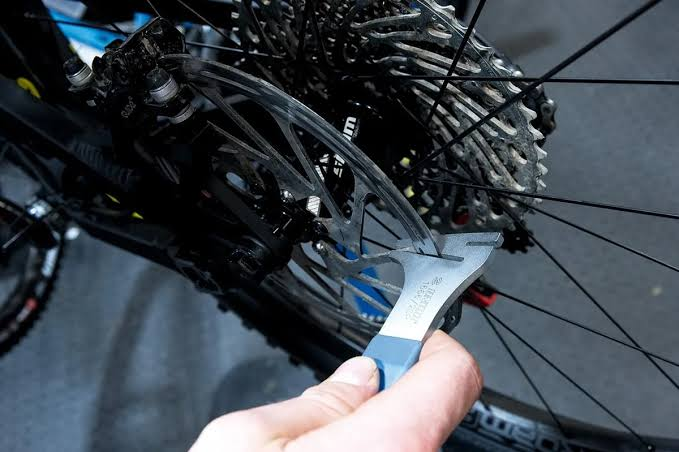
If you've recently assembled a new e-bike or noticed a scraping sound coming from one of your wheels, don't panic. One of the most common causes is a slightly misaligned brake rotor.
The good news? In most cases, it's a quick adjustment that takes less than 15 minutes and requires only a few basic tools.
This guide will show you how to identify the problem, straighten a slightly bent rotor, and align your brake caliper for smooth, quiet braking.
Why Does a Brake Rotor Rub?
A disc brake rotor should spin freely between the brake pads without touching either side. If you hear a rhythmic scraping or rubbing noise while the wheel is turning, the rotor is likely contacting one of the brake pads.
Common causes include:
- The rotor was slightly bent during shipping or transportation.
- The brake caliper shifted after riding on rough terrain.
- The wheel isn't fully seated in the dropouts.
- Rotor bolts have loosened over time.
- A minor impact caused the rotor to warp.
Fortunately, most of these issues can be fixed at home.
Tools You'll Need
Before getting started, gather the following:
- 5mm Allen wrench
- Clean microfiber cloth
- Isopropyl alcohol (for cleaning the rotor)
- Flashlight (optional)
- Rotor truing tool (recommended for bent rotors)
Tip: Avoid touching the braking surface with greasy hands, as oil can reduce braking performance.

When Should You Replace the Rotor?
Not every rotor can be repaired.
Consider replacing it if:
- The rotor has severe bends or visible cracks.
- The braking surface is worn below the manufacturer's minimum thickness.
- Straightening attempts do not eliminate vibration.
- The rotor was damaged in a crash.
Continuing to ride with a severely damaged rotor can reduce braking performance and compromise safety.
How to Prevent Brake Rotor Problems
A few simple habits can help keep your brakes running quietly:
- Avoid leaning your bike against the rotor.
- Secure your e-bike during transportation.
- Check rotor bolts regularly.
- Clean the braking surface every few weeks.
- Inspect your brakes before long rides.
Routine maintenance only takes a few minutes and can prevent much larger problems later.
Frequently Asked Questions
Is a slight brake rotor rub dangerous?
Usually not. Minor rubbing is common after shipping or wheel installation and is often easy to correct. However, heavy rubbing or reduced braking performance should be addressed before riding.
Can I bend a brake rotor back by hand?
It's possible, but not recommended. A dedicated rotor truing tool provides much better control and reduces the chance of overcorrecting the bend.
Why do my brakes still rub after aligning the caliper?
The rotor itself may be bent, the wheel may not be fully seated, or the brake pistons may need cleaning and servicing.
How often should I check my brake rotor?
Inspect your brakes every few weeks if you ride regularly, and always check them after transporting your bike or riding rough trails.
Final Thoughts
A rubbing brake rotor can be annoying, but it's usually one of the easiest e-bike maintenance tasks to fix. By taking a few minutes to inspect your wheel, center the brake caliper, and carefully true the rotor if needed, you can restore quiet, confident braking without a trip to the bike shop.
If you're unsure about any step or notice significant damage to your braking system, it's always safest to have your bike inspected by a qualified technician before your next ride.
Share:
12 Smart Tips Every Rider Should Know Before Their Next Adventure
How to Diagnose a Burnt Motor Connector on an Ebike